Termite Treatment
Description
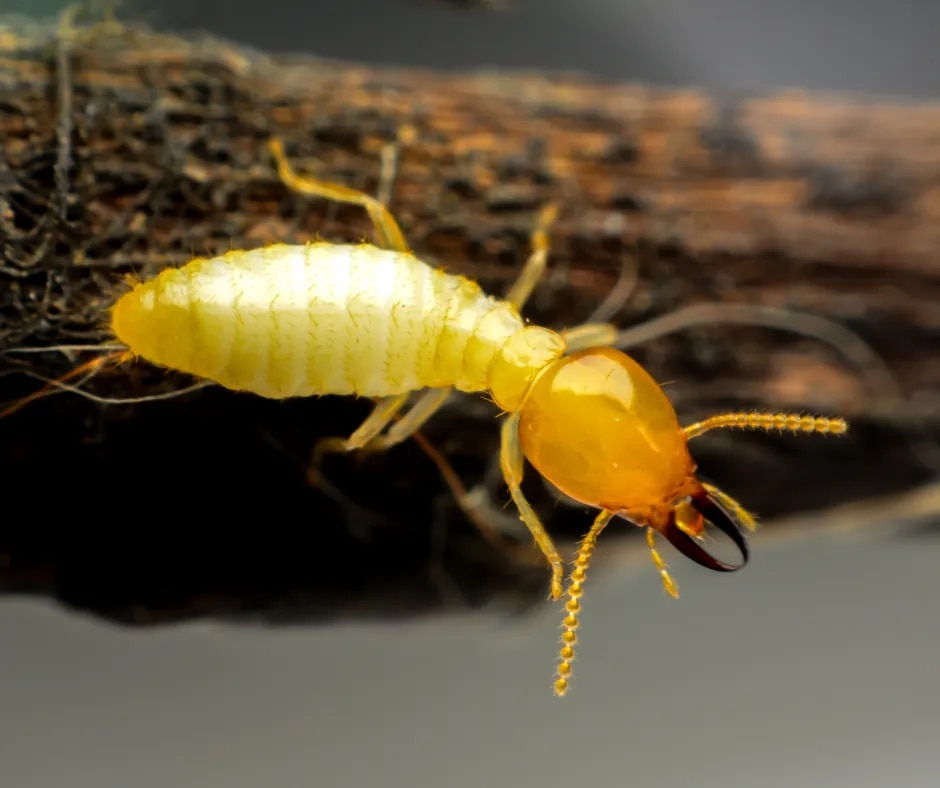
A termite treatment is a comprehensive process designed to eliminate existing colonies and create a long-term chemical or physical barrier around a structure. Here is a breakdown of how it typically works
1. The Inspection
Before any chemicals are used, a technician performs a 'seek and find' mission. They look for
Mud tubes: Small earthen tunnels on foundation walls.
Frass: Wood-colored droppings that look like sawdust or pepper.
Hollow wood: Timber that sounds thin or papery when tapped.
Swarmers: Discarded wings near windows or doors.
2. Common Treatment Methods
Depending on the severity and the type of termite (Subterranean vs. Drywood), one of these three methods is usually chosen:
Liquid Soil Treatment (The Barrier)
This is the most common 'trench and treat' method for subterranean termites.
Process: Technicians dig a shallow trench around the perimeter of the home and drill small holes into concrete slabs or porches.
Action: A liquid termiticide is applied to the soil.
Goal: To create a continuous chemical zone that termites cannot pass through without dying, effectively cutting off their path between the soil and your house.
Baiting Systems
Process: Cylindrical stations are placed in the ground at regular intervals around the property.
Action: These stations contain cellulose material laced with a slow-acting growth inhibitor.
Goal: Termites find the bait, share it with the colony, and eventually, the entire population (including the queen) is eliminated. This is a 'long-game' approach.
Wood Treatments
Process: Applying borate-based sprays or pressure-injecting foams directly into the wood.
Goal: To kill termites currently inside the wood and prevent new ones from snacking on it in the future
Specifications
| termite companies near me | PEST CONTROL |
|---|---|
| termite exterminator | PEST CONTROL |
| termite pest control | PEST CONTROL |